
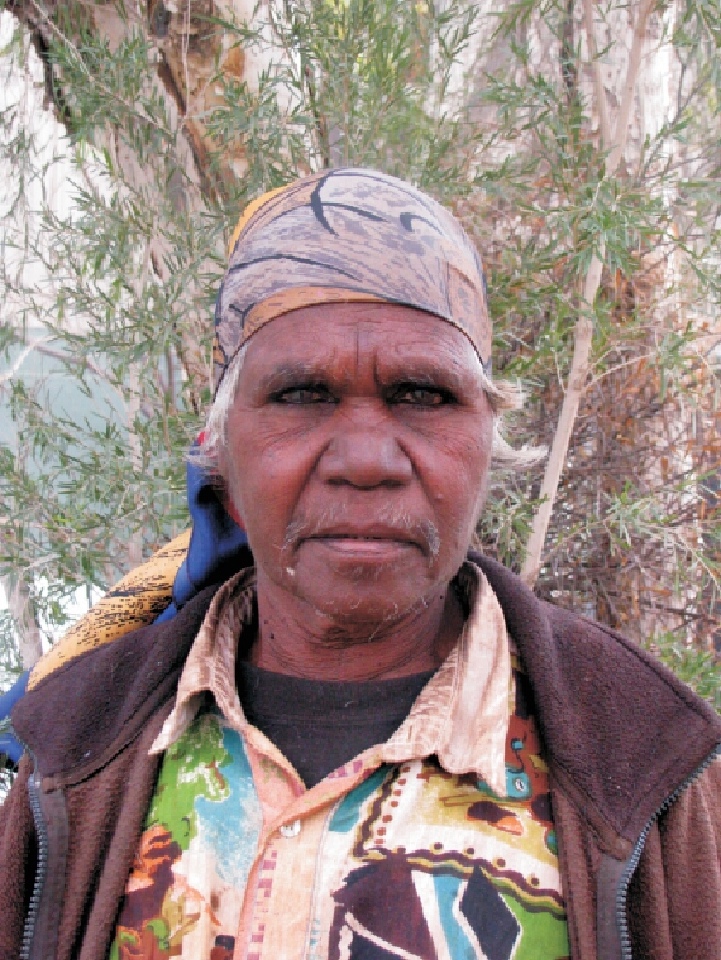
Angelina Ngale Pwerle
DOB:
c. 1947
Born:
Utopia Station, NT
LANGUAGE GROUP: Anmatyerre
COMMUNITY: Utopia, NT
Angelina Pwerle, born in 1947 at Utopia in the Northern Territory, is one of the most celebrated artists from the Utopia region. She is a senior Anmatyerr woman and has lived much of her life at Camel Camp, an outstation in the southern part of Utopia. Angelina shared this space with her sisters Kathleen and Polly, as well as extended family members, creating a strong communal atmosphere where art is a central part of daily life.
Angelina's early artistic journey began in the 1970s when she, along with her sisters, became involved in the Utopia Women's Batik Group, which aimed to create commercial income for the community through traditional fabric art. Under the guidance of Rodney Gooch and the Central Australian Aboriginal Media Association (CAAMA), Angelina, along with other Utopian women, began creating batiks, which quickly gained recognition. Her work was included in the Utopia Women's Art Exhibition in 1990, marking her official entry into the Australian art scene.
By the late 1980s, Angelina transitioned to acrylic on canvas, participating in the CAAMA Summer Project in 1988-89, which saw the women of Utopia experiment with new media and techniques. This shift from batik to acrylics marked the beginning of a new phase in Angelina's career, one that would see her become an important figure in Utopia's art movement. Her early acrylic works were shown in "The First Works on Canvas: A Summer Project" exhibition, held at the S.H. Ervin Gallery in Sydney.
Angelina paints the Bush Plum (Anwekety) Dreaming, a subject with profound cultural, spiritual, and ceremonial significance. Her grandfather's Country, Arlparra, is the inspiration for her work. Angelina's paintings convey the bush plum as it ripens, using finely applied dot work to create intricate representations of the bush plum's flowers and seeds. These works are deeply connected to the Awelye (women's ceremony) and the sacred connection between the people and their land. Over the years, Angelina's style evolved, and her dot paintings became more abstract and minimalist, creating ethereal compositions that evoke the spiritual and physical landscape of her Country.
Angelina's name holds deep cultural significance. She was married to Louis Pwerle, and as a result, she was known as Angelina Pwerle during much of her early career. However, in Anmatyerr country, she is referred to as Ngale, her skin-name in the Anmatyerr language. The difference between Pwerle and Ngale stems from the linguistic and cultural distinctions between the Alyawarr and Anmatyerr peoples. Though she speaks Anmatyerr, institutions like MoMA in New York often use Pwerle, while Ngale is used in her community.
Angelina's art has been featured in prestigious exhibitions such as "Marking the Infinite: Contemporary Women Artists from Aboriginal Australia" (2016-2019) and "Know My Name: Australian Women Artists 1900 to Now" at the National Gallery of Australia. In 2023, her work was included in the international touring exhibition "The Shape of Time: Art and Ancestors of Oceania" at The Metropolitan Museum of Art.
Angelina's art is held in significant public and private collections around the world, including those of the National Gallery of Australia, the Metropolitan Museum of Art in New York, and the Holmes à Court Collection in Perth. Her works have been exhibited extensively in Australia, Europe, and the United States, and she has developed a reputation as a cult favourite among collectors and institutions.
Angelina Pwerle's Bush Plum paintings, which depict the spiritual and physical life cycle of the plant, capture both the beauty of her land and the deep connection to Ahalper (her country). Her work not only resonates with collectors but also stands as a testament to her enduring legacy in the Utopia art movement, reflecting the profound relationship between the Anmatyerre people and their land. With her unique artistic vision, Angelina continues to inspire both collectors and artists, ensuring her place as a vital figure in Aboriginal art.
Copyright Kate Owen Gallery, April 2026